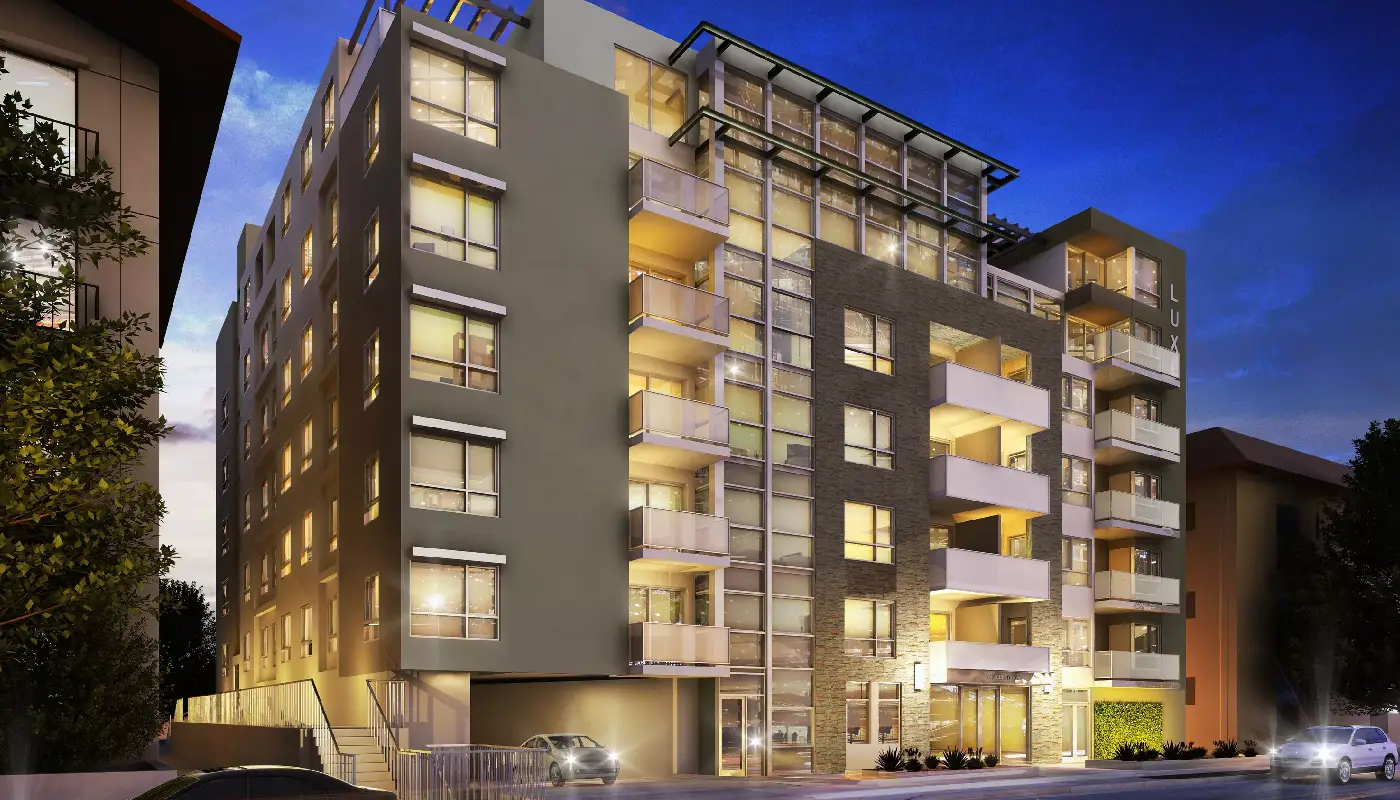
Brook Brokers arranges commercial real estate financing in Brooklyn and New York City for property owners, investors, and developers. We structure acquisition loans, refinancing, bridge loans, and private financing across multifamily, mixed-use, development, retail, and industrial properties.
We are not a direct lender. Our role is to position each deal with the lenders who will execute—based on the asset, the borrower, and the strategy.
Brooklyn is not a uniform lending market. Rent-stabilized exposure, mixed-use configurations, and neighborhood demand all influence underwriting.
A stabilized multifamily building in Bay Ridge will be viewed very differently than a mixed-use property in Crown Heights or a development site in East New York. We align each transaction with lenders who understand those differences.
We structure loans for purchases based on leverage, timing, and lender fit. More detail is outlined in our commercial purchase financing page at / Purchase-Financing-NYC.
Commercial Refinancing
A stabilized multifamily building in Bay Ridge will be viewed very differently than a mixed-use property in Crown Heights or a development site in East New York. We align each transaction with lenders who understand those differences.
Bridge Loans and Private Financing
When a property is not stabilized or timing is critical, short-term capital becomes necessary. These structures are explained in more detail on the bridge loans page at / Bridge-Loans-Brooklyn / and the private lending page at / Private-Lending-NYC
The right financing structure depends on the property, timing, and strategy. The comparison below outlines how different loan types are typically used in Brooklyn transactions.
Scenario / Consideration
Bank Loan
Bridge Loan
Private Loan
Best Use Case
Stabilized, long-term hold
Transitional or time-sensitive deals
Complex or urgent situations
Closing Timeline
45–90+ days
2–4 weeks
1–3 weeks
Property Condition
Must be stabilized
Can be below stabilization
Flexible, including distressed
Underwriting Focus
In-place income and DSCR
Asset value and exit strategy
Asset value and borrower profile
Flexibility
Low
High
Very high
Cost of Capital
Lower
Higher
Highest
Property Type Fit
Stabilized multifamily, strong income
Mixed-use, repositioning, rent-stabilized deals
Non-bankable, transitional, or unique assets
Considering Selling a Brooklyn Property?
Request a confidential consultation to discuss pricing, market conditions, and sale strategy.
What types of commercial properties can be financed in Brooklyn?
Commercial financing is available for multifamily buildings, mixed-use properties, development sites, retail assets, and industrial buildings. Each asset type is underwritten differently based on income, condition, and location.
What is the difference between bridge loans and traditional bank financing?
Bridge loans are short-term and designed for speed and flexibility, often used for acquisitions or transitional properties. Bank financing typically offers lower rates and longer terms but requires stabilized income and more conservative underwriting.
Can I get financing if my property is not stabilized?
Yes. If a property does not qualify for traditional bank financing, bridge loans or private lending may be available based on the asset’s value and the plan to improve performance.
How long does it take to secure commercial financing?
Timing depends on the loan type. Bridge and private loans can close in a matter of weeks, while bank financing typically takes longer due to underwriting and documentation requirements.
Do I need to commit to a loan or pay upfront to explore options?
No. We present financing options based on your property and objectives, and there is no obligation to proceed unless you decide to move forward with a specific loan.
How do lenders determine how much they will lend?
Lenders evaluate factors such as net operating income, loan-to-value, property condition, and borrower experience. In some cases, particularly with bridge or private loans, the focus may be more on asset value and the exit strategy.